
What to Expect from Social Selling and Social Media in 2026
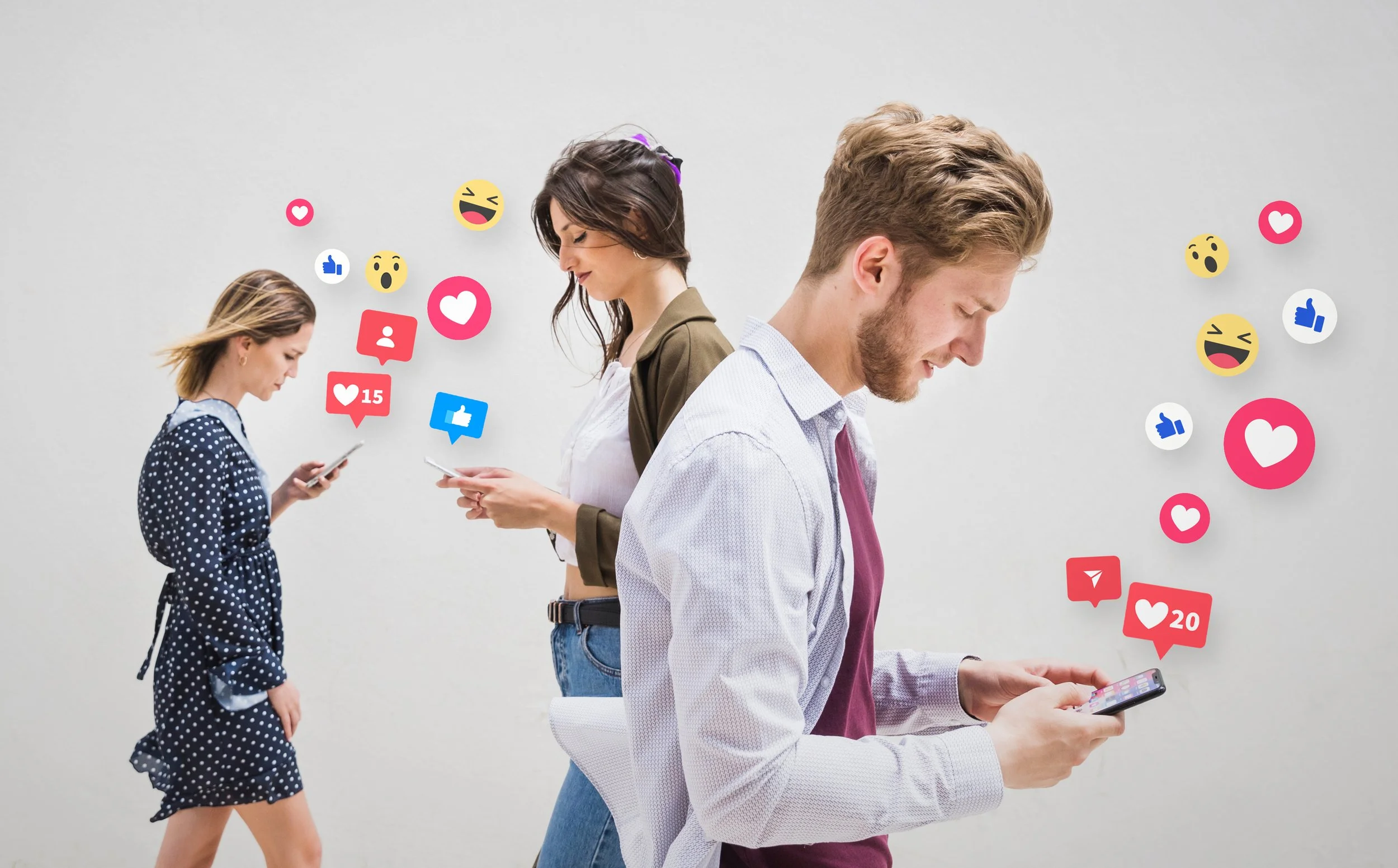
When a customer's shaky iPhone unboxing video outperforms your $50,000 commercial, you know something fundamental has shifted. Welcome to 2026, where the polished loses to the personal, where AI powers everything but authenticity wins every time, and where your audience would rather talk with you than be talked at.
The social media landscape isn't just evolving, it’s being rebuilt from the ground up. Buyers now start and end their research on TikTok. Sales conversations take place within AI chat interfaces. And the brands winning attention aren't the ones posting most frequently, but the ones fostering the deepest connections.
For marketers, business leaders, and social sellers, understanding these shifts is no longer optional. It is essential for survival. Drawing on insights from Forbes, Sprout Social, and recent industry research, here's what the year ahead holds and how to capitalize on it.
1. Social Search Has Replaced Google as the Starting Point
Before we talk about what to post, we need to address where people are looking. Nearly one in three consumers now bypasses Google entirely at the start of their search journey. Among Gen Z, more than half use social platforms as their primary search engine. This isn't a trend but a seismic shift in buyer behavior.
The implications are profound. When someone searches "best CRM for small teams" on TikTok, they're not looking for SEO-optimized landing pages. They want real users showing the software in action, explaining features conversationally, and sharing honest experiences. B2B companies like HubSpot and Notion have recognized this, creating libraries of short tutorial videos and customer stories specifically designed to answer common search queries.
With platforms introducing AI-driven search summaries similar to Google's AI Overview your content now needs to serve dual purposes: engaging viewers while informing search algorithms. How-tos, product demos, tutorials, customer testimonials, and educational snippets increasingly function as both entertainment and search results.
What This Means for You:
Audit your most common customer questions and create short-form video answers for each.
Structure content with clear, conversational language that matches how people actually search
Focus on educational content that solves problems, not just promotes products.
Monitor which of your videos are being surfaced in platform search results and double down on those formats.
2. Short-Form Video + UGC Will Dominate Creative Priorities
Short-form video isn't new, but in 2026, it becomes the undisputed language of social commerce. Emplifi's data shows that nearly three-quarters of marketers are prioritizing short-form video this year. More telling: nearly half plan to increase investment in user-generated content campaigns, recognizing that real customer voices carry more weight than polished brand messaging.
Consider Duolingo's approach. Instead of expensive commercials, they built an entire brand identity around their unhinged mascot appearing in employee-created TikToks that feel authentically weird and spontaneous. Or look at Gong, the B2B revenue intelligence platform, which regularly features actual sales reps sharing real call clips and insights, demystifying complex software through relatable, human moments.
Today's buyers—whether they're purchasing running shoes or enterprise software—want content that feels natural and rooted in lived experiences. They want to see real people using products, giving honest reactions, and showcasing genuine outcomes. A customer's unboxing video shot on a smartphone can outperform a fully produced commercial because it offers something no production budget can buy: authenticity that builds trust.
What This Means for You:
Create a system to collect and repurpose customer testimonial videos.
Empower employees to create content showcasing their work and expertise.
Prioritize "real" over "perfect" in your content creation guidelines.
Test platform-specific formats rather than repurposing the same video everywhere.

3. AI Will Power Operations While Humans Drive Connection
Here's the paradox of 2026: AI has become the invisible operating system of social media marketing, yet human storytelling has never been more valuable.
Sprout Social's research reveals the rapid evolution of agentic AI systems that can draft content, test creative variations, adjust campaign spend, and respond to customer inquiries in real time. Salesforce's Einstein and HubSpot's Content Assistant now help sales teams generate personalized outreach at scale. Customer service teams use AI to respond faster and more consistently across time zones.
But here's what AI can't do: it can't share what it felt like to solve a customer's problem at 2am. It can't laugh authentically at its own mistakes. It can't build the kind of trust that comes from vulnerability and imperfection.
Successful B2B companies launch employee advocacy programs so their own teams can share posts on social media to show their network and potential prospects real stories authentically. Shopify's social presence balances AI-assisted support responses with founder and merchant stories that feel deeply personal. LinkedIn's most engaged B2B content consistently comes from individual executives sharing personal career lessons, not company pages posting AI-generated thought leadership.
The data backs this up: over half of consumers express concerns about brands posting AI-created content without disclosure, even as they welcome AI's role in faster support. Meanwhile, Sprout's data shows declining enthusiasm for partnerships with virtual influencers, driven by audience fatigue and a clear preference for relatable, imperfect, human-centric storytelling.
What This Means for You:
Use AI for research, drafting, and optimization, not as your final creative voice.
Always disclose when content is AI-generated.
Identify the humans in your organization (employees, founders, customers) who can tell your story authentically.
Measure engagement on human-created vs. AI-assisted content to find your optimal balance.
4. Serialized Storytelling Will Build Deeper Loyalty Than One-Off Posts
In a digital environment saturated with fleeting trends, consistency and character-driven storytelling create lasting differentiation. Serialized content, whether behind-the-scenes glimpses of company culture, recurring product episodes, or "day in the life" narratives from team members, helps foster familiarity and deepens audience loyalty.
Think of how Notion's "Startup in a Day" series follows founders building their companies, or how Mailchimp's "Built In" series spotlights customer businesses over multiple episodes. These ongoing narratives feel more like binge-worthy shows than isolated social posts, keeping audiences emotionally invested and eager to return.
Even service-based B2B companies are adopting this approach. A consulting firm might create a weekly "Client Wins Wednesday" series to showcase different implementation stories. A SaaS company could run a monthly "Behind the Build" episode with their product team explaining how features came to life based on customer feedback.
What This Means for You:
Develop 2-3 recurring content series that can run throughout the year.
Create episodic formats around your team, customers, or product development process.
Use consistent branding, music, or opening formats so audiences recognize your series instantly.
Track return viewership and engagement patterns to understand which series resonate most.
5. Paid Media Will Shift to Video And Into Conversational Commerce
Paid social strategies are evolving beyond the feed. While marketing teams continue shifting budgets toward social media content, the even bigger transformation is happening in AI-driven conversational commerce.
Walmart's integration with ChatGPT allows customers to browse and purchase through conversational prompts. Instacart partnered with ChatGPT to enable meal planning that converts directly to shopping carts. These aren't experimental features but early indicators of how paid media will enter AI chat environments, where ads become embedded, personalized recommendations within natural language interactions.
For B2B, this means rethinking the entire funnel. Instead of gating content behind forms, companies like Gong and Drift are creating ungated educational resources optimized for AI discovery. When a prospect asks an AI assistant "what's the best conversation intelligence platform," these brands want their content—and their value proposition—surfaced in that answer.
Traditional video ads still work, but only when tailored to each platform's native style. What performs on TikTok (fast-paced, trend-driven) differs dramatically from YouTube Shorts (slightly longer, more narrative) or LinkedIn videos (under 2 minutes, strong hook, including captions).
What This Means for You:
Diversify paid budgets to test conversational commerce platforms as they emerge.
Create platform-specific video creative rather than repurposing the same asset.
Build ungated educational content libraries that AI systems can reference.
Track how prospects discover you (social search, AI recommendations, traditional ads) to allocate budget accordingly.

6. Community Will Become the Most Valuable Currency
Social media saturation is at an all-time high, with brands posting more frequently across more platforms than ever before. But volume has led to exhaustion. Consumers are increasingly selective about what earns their attention, and in 2026, community trumps content every time.
Brands are realizing that audiences don't want to be broadcast to. They want to be in conversation. Peloton doesn't just post workout videos; they've built community groups where members celebrate milestones together. Salesforce's Trailblazer Community creates belonging among users who help each other succeed. Even simple phenomena like TikTok's viral "Group 7" trend demonstrate how powerful community identity becomes when people feel part of something bigger.
For B2B companies, community-building looks like private Slack channels for customers, regular user conferences that feel like reunions, or exclusive beta programs where customers shape the product roadmap. It's Figma inviting users to "Friends of Figma" events. It’s Notion empowering users to become certified consultants. It's creating spaces where your audience connects with each other, not just with you.
Interactive comment threads, broadcast channels, private groups, and live Q&As create a sense of belonging that algorithms alone cannot manufacture.
What This Means for You:
Shift from measuring reach to measuring depth of relationship.
Create exclusive spaces (private channels, groups, events) where your best customers can connect.
Facilitate customer-to-customer conversations, not just brand-to-customer.
Reward community participation and publicly celebrate member contributions.
7. Engagement Will Become Strategy, Not an Afterthought
In 2026, how a brand engages matters just as much as what it posts. Sprout Social's research reveals that quick responses, personalized interactions, and proactive engagement are among the top behaviors that set brands apart. Consumers expect timely communication—often within hours, not days—and will switch to competitors if they feel ignored.
This year, community management evolves from reactive to proactive. Brands use social listening tools to anticipate needs, identify emerging questions, and address sentiment before issues escalate. Wendy's doesn't just post jokes; it also responds to thousands of mentions daily with personalized humor. Glossier built its entire brand on responding to customer feedback and featuring customer photos.
In B2B, this means sales teams monitoring LinkedIn for buying signals, customer success teams joining relevant X conversations, and executives personally responding to thoughtful comments. When the CEO of a startup takes time to answer a question in the comments, it signals that every customer matters.
Newer platforms like Substack, Bluesky, and WhatsApp Channels offer more intimate environments for these conversations. For social sellers, every interaction is an opportunity to deepen a relationship.
What This Means for You:
Set response time goals and track them as rigorously as conversion metrics.
Use social listening to proactively join relevant conversations, not just monitor your brand.
Empower team members across departments (not just marketing) to engage authentically.
Test newer, more intimate platforms where meaningful conversations are easier to foster.

Looking Ahead: The Brands That Win in 2026 Will Be Human, Helpful, and Highly Adaptive
Across all seven trends, one message emerges clearly: social media in 2026 demands a balance of innovation, authenticity, and agility. AI will drive operational efficiency, but human storytelling will drive emotional connection. Audiences will seek community, not just content. And the buyer journey will increasingly begin and end within social platforms.
The brands that succeed this year will embrace AI as an accelerant, not a replacement. They'll prioritize genuine relationships over posting volume. They'll build narratives that reflect real people and real experiences. They'll show up where conversations are happening and participate like humans, not broadcast channels.
Social selling is no longer about broadcasting value but about demonstrating it through meaningful, consistent, and human-centered interactions.
When brands show up as human, helpful, and highly adaptive, they don't just keep pace with social trends; they set the standard for what authentic digital connection looks like in 2026 and beyond.